














Joining metal wires and rods is an important requirement in many industrial manufacturing processes. The appropriate joining method depends on the material, component dimensions, required joint strength, and production conditions. A butt welding machine is used to join compatible metal components end-to-end. In wire processing applications, resistance butt welding is one method that can be used to create suitable joints through controlled electrical resistance heating and mechanical pressure. Understanding the working principle helps manufacturers evaluate welding equipment for their applications.
What Is a Butt Welding Machine?
A butt welding machine is industrial equipment used to join the ends of suitable metal components. Depending on the machine type, the welding process may involve electrical resistance heating, pressure, or other controlled joining methods. Resistance butt welding machines are commonly associated with end-to-end joining operations. The exact capabilities depend on the machine design, material compatibility, and operating specifications.
Butt Welding Machine Working Principle
In resistance butt welding, electrical current passes through the contacting components, generating heat because of electrical resistance. Mechanical force is applied to complete the joining process. The sequence depends on whether the equipment uses upset butt welding, flash butt welding, or another process.
1. Material Preparation
The metal components are prepared according to the required welding process.
Suitable end preparation helps support consistent joining conditions.
2. Component Clamping
The materials are secured in the machine’s clamping arrangement.
Correct alignment is important for joint consistency.
3. Heating Process
Electrical current produces resistance heating at the joining region.
The heating conditions depend on the material and machine configuration.
4. Joining Pressure
Controlled mechanical force brings the heated material together to form the joint.
5. Cooling and Inspection
After welding, the joint is allowed to cool according to the process requirements.
The finished joint is inspected using suitable acceptance criteria.

Types of Resistance Butt Welding Processes
Upset Butt Welding
In upset butt welding, the workpieces are brought into contact and heated through electrical resistance while pressure is applied.
Flash Butt Welding
Flash butt welding uses a controlled flashing process to heat the joining surfaces before the final upset operation. These methods have different equipment and process requirements. Manufacturers should confirm the actual welding technology provided by the selected machine.
Industrial Applications of Butt Welding Machines
Wire Processing
Butt welding equipment may be used for joining compatible wire ends during suitable manufacturing operations.
Metal Rod Joining
Certain machines are designed for joining rods within specified material and dimensional ranges.
Wire Product Manufacturing
Some production processes require joining wire sections before subsequent processing.
Engineering and Fabrication
Butt welding may be used for suitable metal joining applications where the process meets the required specifications.
Important Factors Affecting Weld Quality
Material Compatibility
Different metals require different welding conditions.
Component Dimensions
The equipment must support the required wire or rod diameter and cross-sectional area.
Joint Alignment
Misalignment may affect joint quality.
Welding Parameters
Current, heating conditions, and joining force must be suitable for the application.
Surface Condition
Contamination and unsuitable end preparation may affect welding performance.

Advantages of Suitable Butt Welding Equipment
Depending on the application and process, butt welding can offer:
End-to-end joining capability
Controlled welding operations
Repeatable process settings
Suitability for selected production applications
Integration into certain manufacturing workflows
Actual joint performance must be verified against the relevant product and quality requirements.
Safety Considerations
Butt welding equipment can involve electrical hazards, hot metal, moving clamps, and expelled particles. Operators should use appropriate protective equipment and follow the manufacturer’s safety procedures. Installation and electrical maintenance should be carried out by qualified personnel.
How to Choose a Butt Welding Machine
Before selecting equipment, manufacturers should confirm:
Material type and grade
Wire or rod diameter
Required joint properties
Welding process type
Production requirements
Available electrical supply
Inspection and quality standards
Operator training requirements
Sample welding trials and appropriate joint testing can help assess process suitability.
STAR MACHINERY Wire Processing Equipment
STAR MACHINERY is a manufacturer of wire processing machines based in Ahmedabad, Gujarat, India. Our product range includes butt welding machines and other equipment for industrial wire processing operations. Contact our team to discuss your material specifications, joining requirements, and machinery enquiries.
Conclusion
Butt welding machines support suitable end-to-end metal joining applications. Understanding the welding process, material compatibility, joint requirements, and machine specifications is essential for selecting appropriate equipment.



Solvior
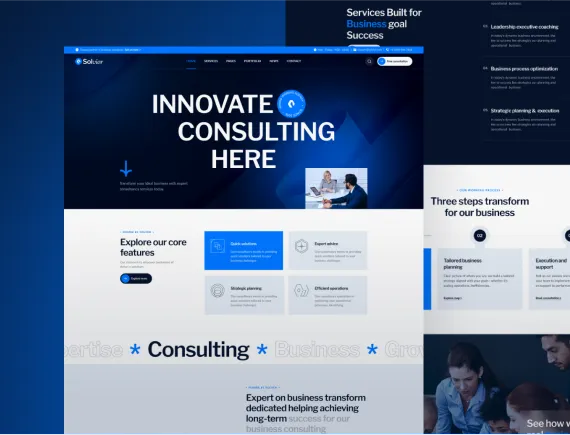
Solvior offers a sleek and professional layout that aligns well with the expectations of consulting firms and corporate clients. The design aesthetics project credibility and trust
Solvior
Very well-documented. Even as a beginner, I managed to get everything working without hiring a developer